
Insights on underwriting, fraud, and the future of lending.
Practical, operator-written perspectives on what's changing in small business lending — and what isn't.
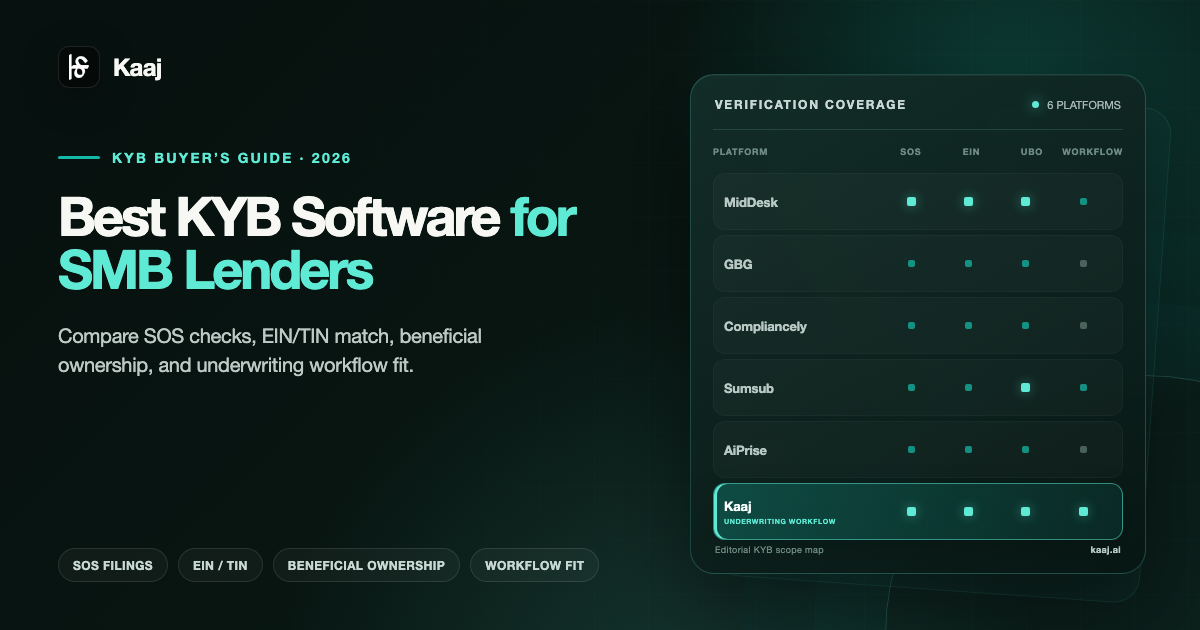
Best KYB Software for Small Business Lenders in 2026
Compare KYB software for small business lenders: Kaaj for underwriting-workflow KYB versus MidDesk and other point solutions for API-first business verification.
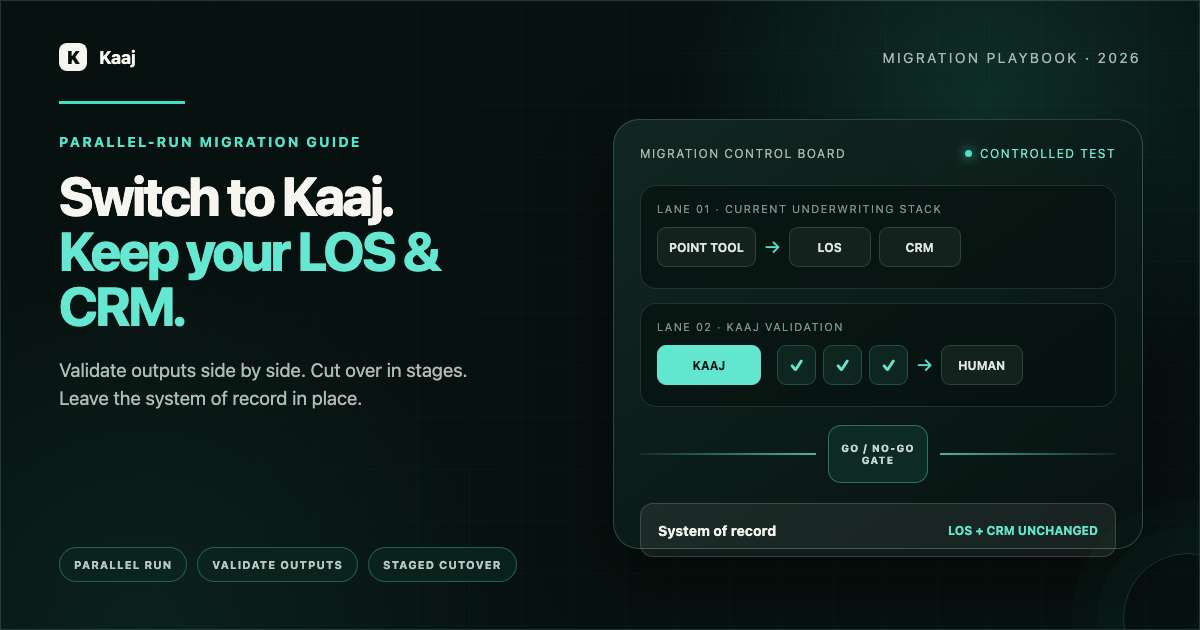
Switch to Kaaj Without Replacing Your LOS or CRM
A practical parallel-run guide to evaluating Kaaj alongside Heron Data, Ocrolus, MidDesk, Inscribe, or eCredit while keeping your LOS or CRM.
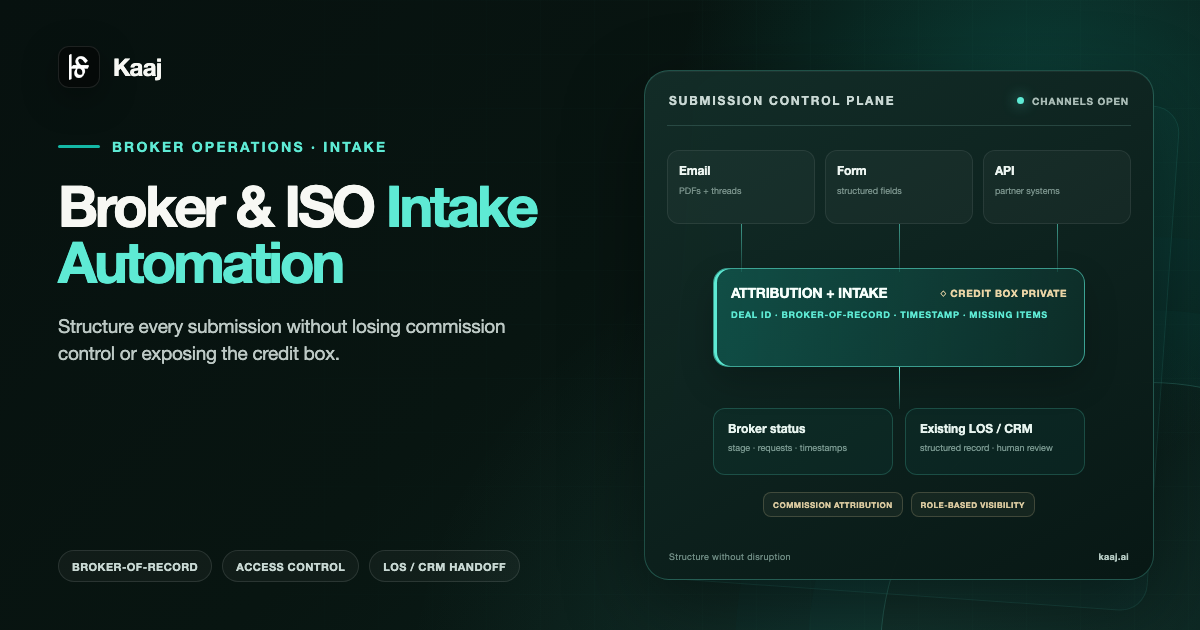
How Lenders Automate Broker and ISO Intake Without Losing Commission Control
Learn how lenders automate broker and ISO intake while preserving commission attribution, credit-box privacy, and their existing LOS or CRM.
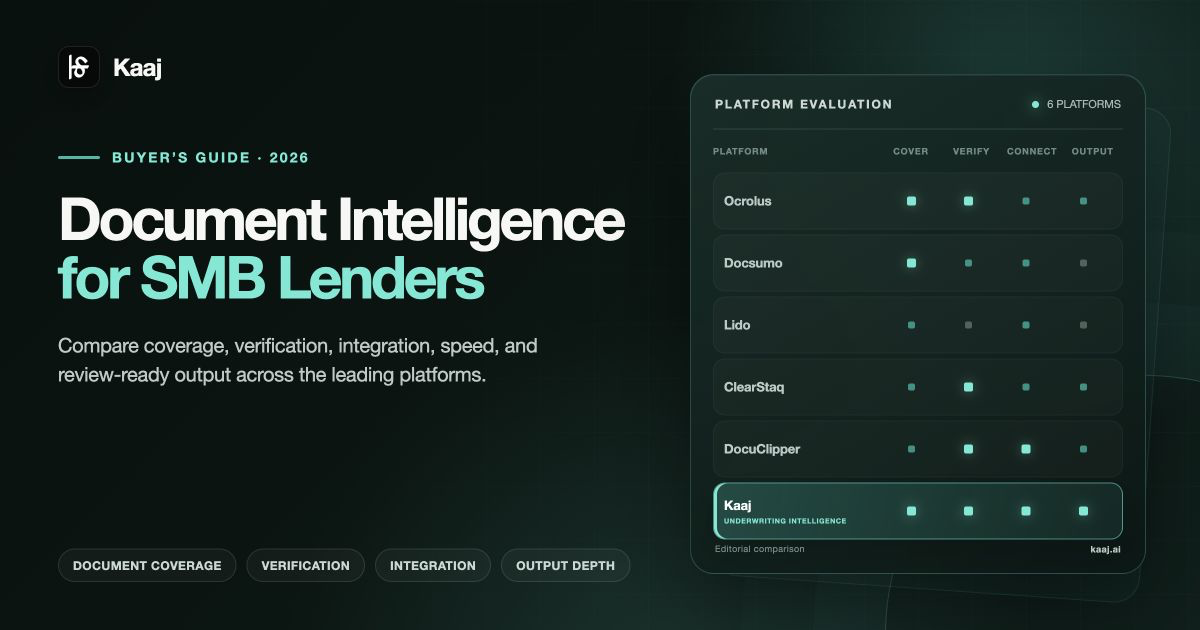
Document Intelligence for SMB Lenders: Comparing the Top Platforms
Compare document intelligence platforms for SMB lending across document coverage, verification, integration effort, and review-ready output.
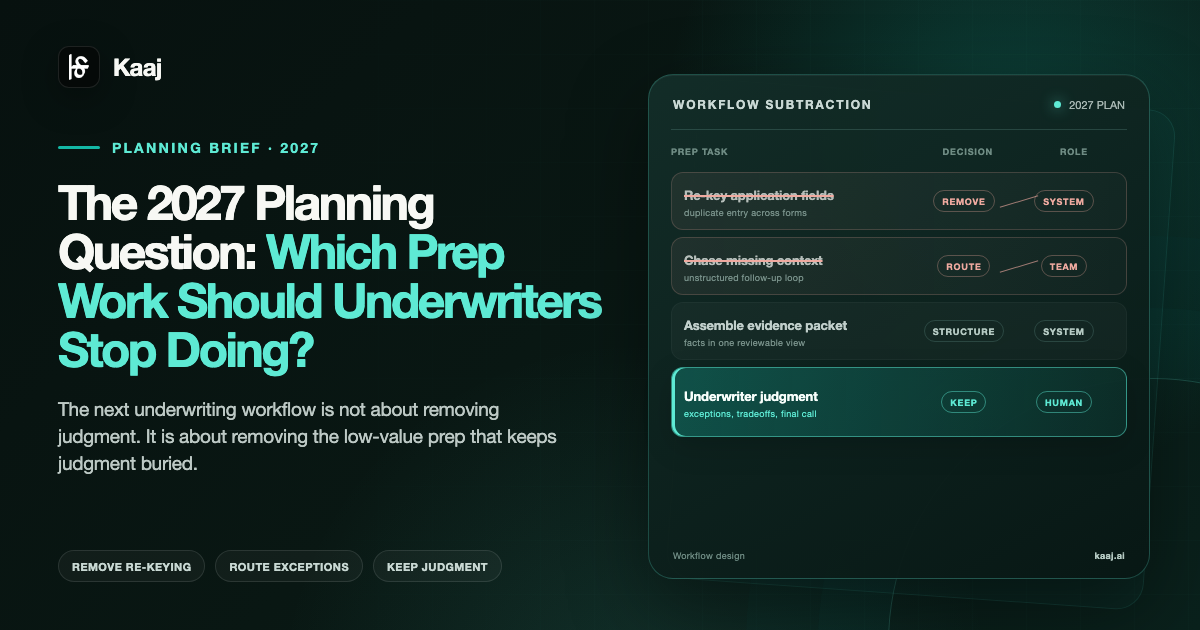
The 2027 Planning Question: Which Prep Work Should Underwriters Stop Doing?
Which underwriting prep work should stop consuming analyst time before 2027 planning locks in? A practical readiness test for automation, exception routing, and human-owned credit judgment.
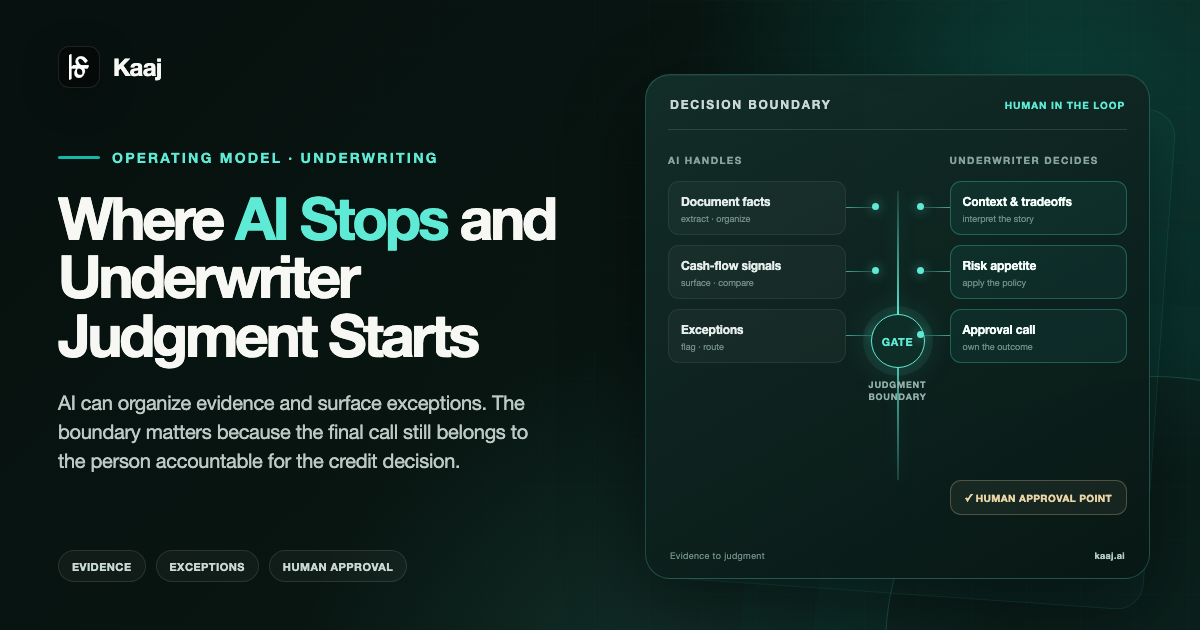
Where AI Stops and Underwriter Judgment Starts
Equipment finance credit teams do not need AI that promises to replace judgment. They need a clear line: AI prepares the file, while humans decide what the evidence means.
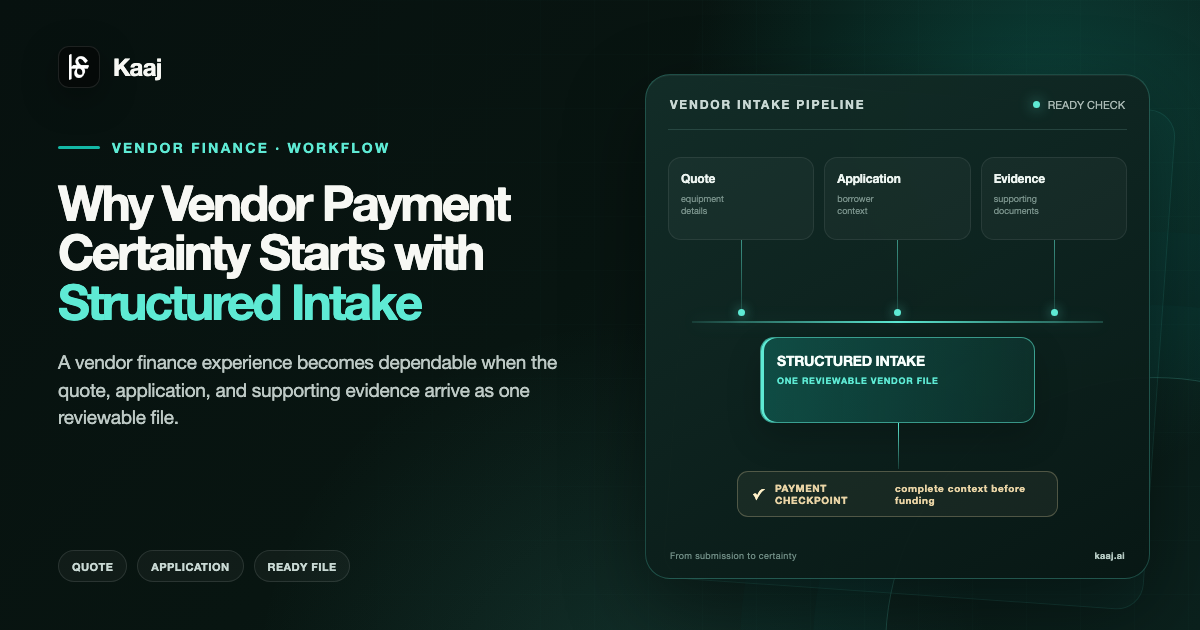
Why Vendor Payment Certainty Starts with Structured Intake
Vendor payment certainty depends on structured intake, not just a faster form. See how quotes, applications, documents, KYB, and bank statements become one reviewable file.
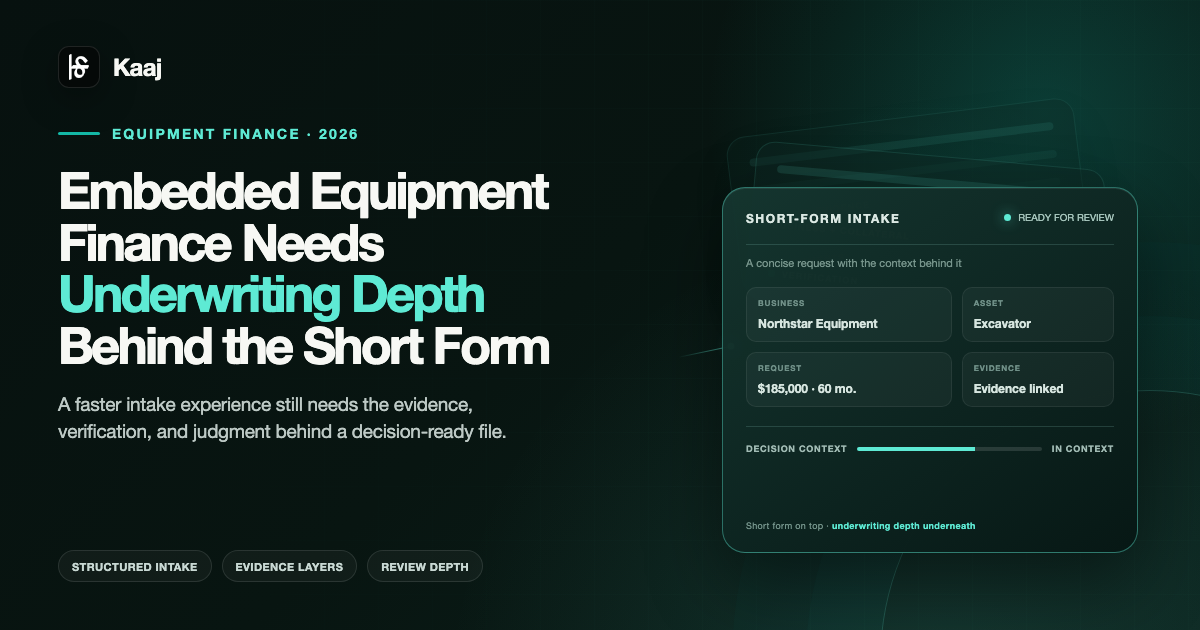
Embedded Equipment Finance Needs Underwriting Depth Behind the Short Form
A short embedded-finance application does not remove underwriting work. It moves verification, bank-statement review, fraud checks, and credit preparation behind the form.
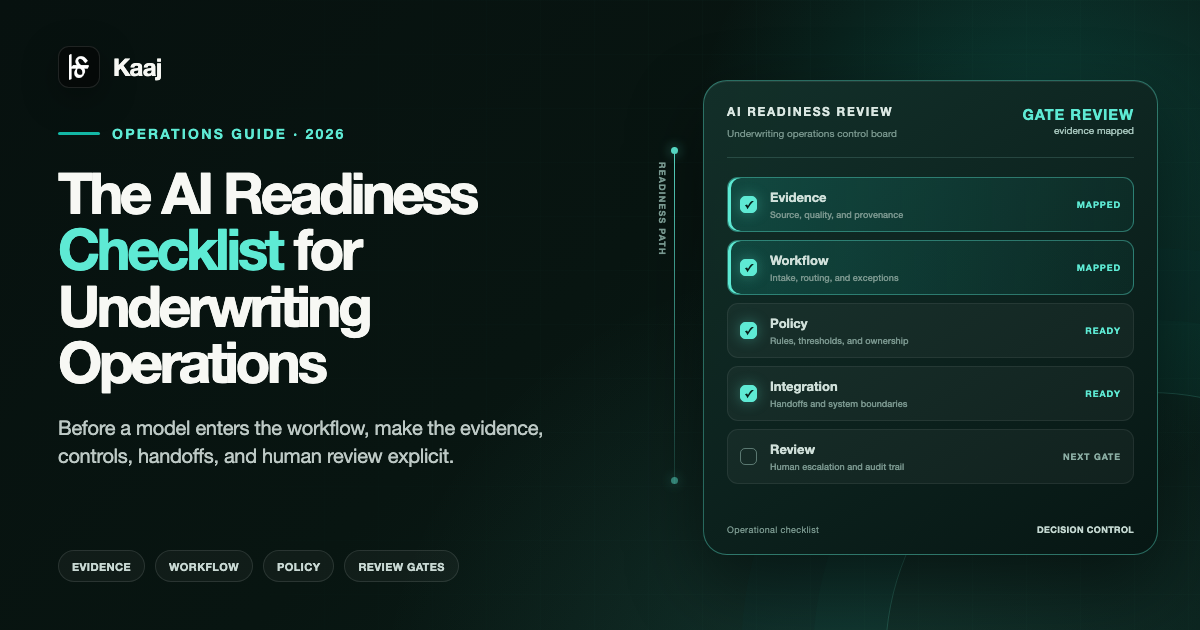
The AI Readiness Checklist for Underwriting Operations
A practical underwriting AI readiness checklist covering workflow scope, decision-ready standards, exception routing, evidence trails, and human-owned credit judgment.
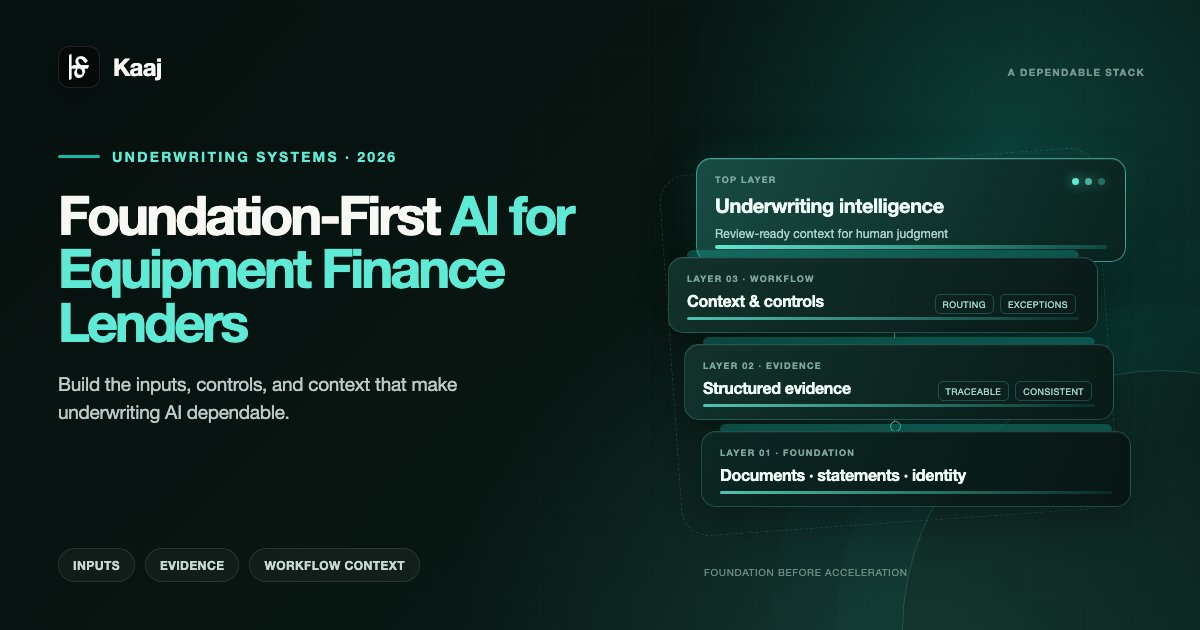
Foundation-First AI for Equipment Finance Lenders
Equipment finance lenders do not need a new core system to begin with AI. Start at the intake and handoff points where borrower packages lose structure before credit review.
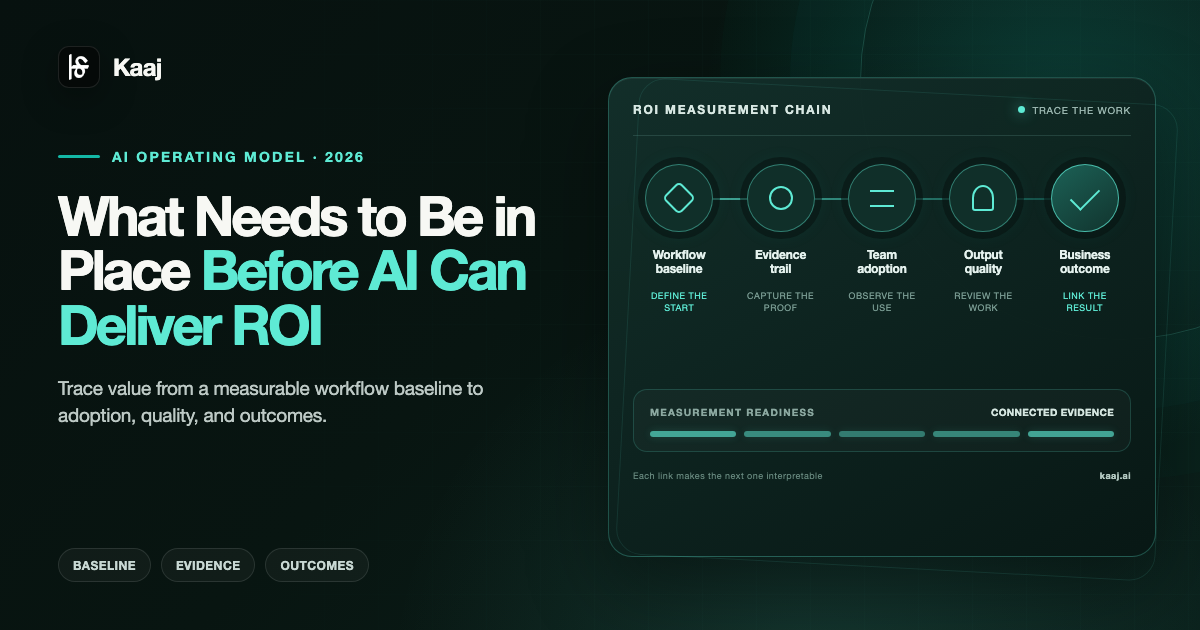
What Needs to Be in Place Before AI Can Deliver ROI
AI ROI in underwriting starts before model selection. Define the workflow scope, exception taxonomy, review ownership, and evidence trail before measuring a pilot.

Legacy LOS vs. AI-Powered Borrower Packages
Legacy LOS vs. AI-Powered Borrower Packages For most equipment finance lenders, the legacy LOS is not the enemy. It is the system of record, the place where applications, decisions, approvals, stipulations,

What Funders Actually Want to See in a Submission Package
What Funders Actually Want to See in a Submission Package A submitted file is not automatically a lender-ready package. That distinction matters more than most brokers realize. A deal may be submitted because the
Why Approval Rates Drop Even When the Applications Are Not the Problem
Why Approval Rates Drop Even When the Applications Are Not the Problem An equipment finance application can be viable and still create a slow, uneven lender experience. The borrower may have a real equipment need. The
The Broker Pre-Submission Checklist for 2026
The Broker Pre-Submission Checklist for 2026 Many equipment finance delays begin before a credit analyst reviews the file. The borrower may be financeable, the equipment may make sense, and the broker may have a real
How underwriting systems will evolve as lending scales
See how lending teams can scale underwriting preparation with agentic AI while keeping the LOS as system of record and final judgment with the credit team.

How AI Can Expand Access to Capital
Small businesses are the backbone of the economy. But when a small business owner actually applies for equipment financing, the experience tells a different story. The application sits in a queue, and the documents get reviewed manually.

Why Small-ticket Equipment Finance Loans Are Broken | Six Predictions for Future
For most businesses in the United States, access to equipment is a key to survival and growth. Machines, vehicles, and tools keep factories running, enable logistics.

A $100k Equipment Loan Shouldn't Take 3 Days to get approved and funded
Like every other industry, the loan approval in equipment finance takes 3 to 5 days. Now, there is a reason these delays happen, one of them being the traditional methods.
From Dealer Submission to Decision-Ready: What Really Happens Before an Underwriting Decision
During the equipment finance process, there's a prevalent assumption about the submission process. A dealer submits a file, it enters the system, an underwriter reviews it, and a decision is made. But the reality is quite different.
Why Speed Will Define Winning Lenders
The equipment finance industry doesn't have a talent problem. It doesn't have a data problem either.
Why Most Lending Fraud Slips Through Before Credit Analysis Even Begins
Most fraud in equipment finance lending does not arrive as an obvious scheme.
The Hidden Cost of Fraud Investigations in Small-Ticket Lending
A survey by the ABA Banking Journal shows that fraud in small-business lending is speeding up. Year-on-year growth hit 14.5%.
Where Broker-Lender Handoffs Break Before Credit Review
Where Broker-Lender Handoffs Break Before Credit Review A broker can submit a file and still leave the lender without a lender-ready package. That gap is one of the most expensive forms of friction in equipment finance.
Why Declines Are Often a Routing Problem, Not a Credit Problem
Why Declines Are Often a Routing Problem, Not a Credit Problem In equipment finance, the fastest way to turn a workable opportunity into a stalled file is to send it to the wrong funder with the wrong story. A broker
Where Credit Decisions Actually Break
See where credit decisions slow before judgment—and how structured intake, exception routing, and source-linked memos make borrower files review-ready.

Why AI Agents Earn Trust in Exceptions, Not Easy Approvals
AI agents earn underwriting trust by surfacing exceptions clearly, preserving evidence, and showing where automation stops and human review starts.
Speed vs. Judgment in Equipment Finance Underwriting
Speed vs. Judgment in Equipment Finance Underwriting Equipment finance leaders do not have to choose between faster underwriting and better judgment. The tradeoff appears when speed is defined as pushing more files to a
What Cash-Flow Signals Should Reach the Credit Memo First
What Cash-Flow Signals Should Reach the Credit Memo First A bank statement can change how a credit team reads a file long before the final spread or scorecard review. A borrower may show adequate monthly deposits, but
Business Identity Is the First Layer of Credit Confidence
Business Identity Is the First Layer of Credit Confidence Equipment finance credit analysis starts to lose value when the business identity layer is weak. A cash-flow review can be thorough. The collateral analysis can

Shell-Company Red Flags in Small-Ticket Equipment Packages
Shell-Company Red Flags in Small-Ticket Equipment Packages Small-ticket equipment finance depends on speed. Dealers want answers while the buyer is still engaged. Brokers want to place the file before momentum fades.
Why Fraud Checks Need to Happen Before Credit Analysis
Why Fraud Checks Need to Happen Before Credit Analysis Equipment finance credit teams are trained to move quickly from application intake into financial capacity: bank statements, tax returns, collateral, time in
When Bank Statement Patterns Change the Submission Story
See how NSFs, transfers, MCA-like debits, seasonality, and deposit volatility change a submission—and what evidence underwriters need before acting.
How to Make KYB Evidence Useful to Underwriters
How to Make KYB Evidence Useful to Underwriters Business identity is not a compliance side quest in equipment finance. It is the first layer of confidence in the file. Underwriters can analyze cash flow, collateral fit,

Why Manual Underwriting Time Kills Small-Ticket Returns
Why Manual Underwriting Time Kills Small-Ticket Returns A small-ticket equipment finance deal can fail economically before credit ever reaches true risk. The problem is not simply approval rate or pricing. It is the

The Automation Threshold for $15K-$75K Equipment Deals
The Automation Threshold for $15K-$75K Equipment Deals Small-ticket equipment finance is not small-work finance. A $25K tool package and a $75K construction equipment request may carry very different exposure than a

Why Small-Ticket Lending Needs a Different Operating Model
Why Small-Ticket Lending Needs a Different Operating Model Small-ticket lending is not a smaller version of large-ticket lending. The economics are different from the first email, portal upload, or dealer submission. A

Building a Living Funder Matrix with Better Package Intelligence
Building a Living Funder Matrix with Better Package Intelligence Many equipment finance declines and delays start before a credit analyst ever reviews the file. The deal may be real. The borrower may be fundable

Kaaj raises $3.8M to Expand Access to Capital for Small Businesses with New Agentic AI Credit Intelligence Platform
Our $3.8M Seed round, led by Kindred Ventures, with participation from Better Tomorrow Ventures, Karman Ventures, Pythia Ventures, Coughdrop Capital, and our aw...
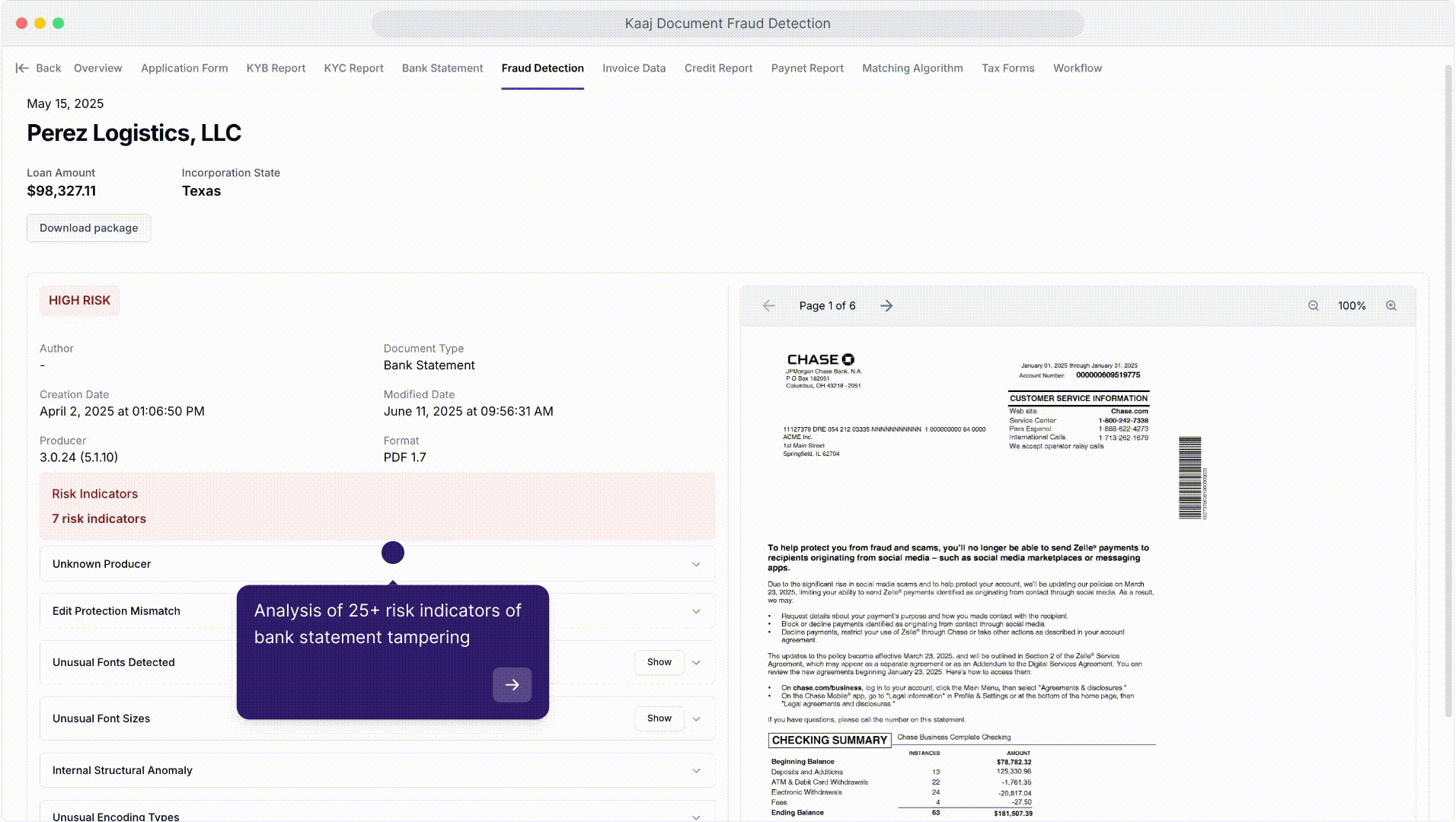
Kaaj AI-Powered Document Fraud Detection and Bank Statement Tampering
Kaaj launches Document Fraud Detection—AI that inspects 25 + forensic signals to expose doctored bank statements & PDFs in under five seconds.

Kaaj and Machinery Partner Unite to Launch Capital Solutions for Faster Heavy-Equipment Financing
Machinery Partner’s new Capital Solutions arm is powered end-to-end by Kaaj.
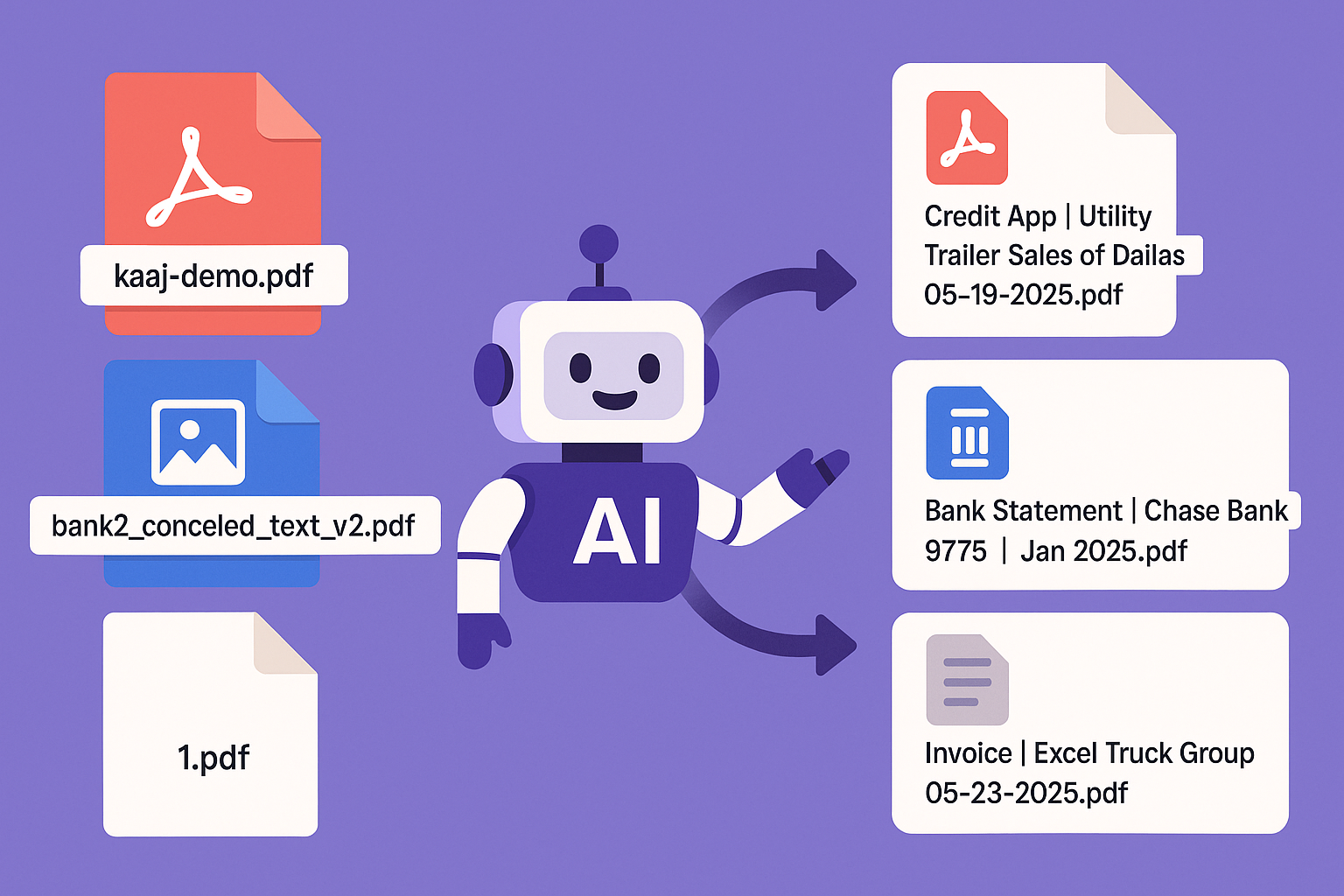
How Kaaj Uses AI to Auto-Rename Loan Files
Every SMB credit package lands as a jumble of cryptic files—01.03.24-final(3).pdf, scan00123.jpg, bank2_conceled_text_v2.pdf. Kaaj.
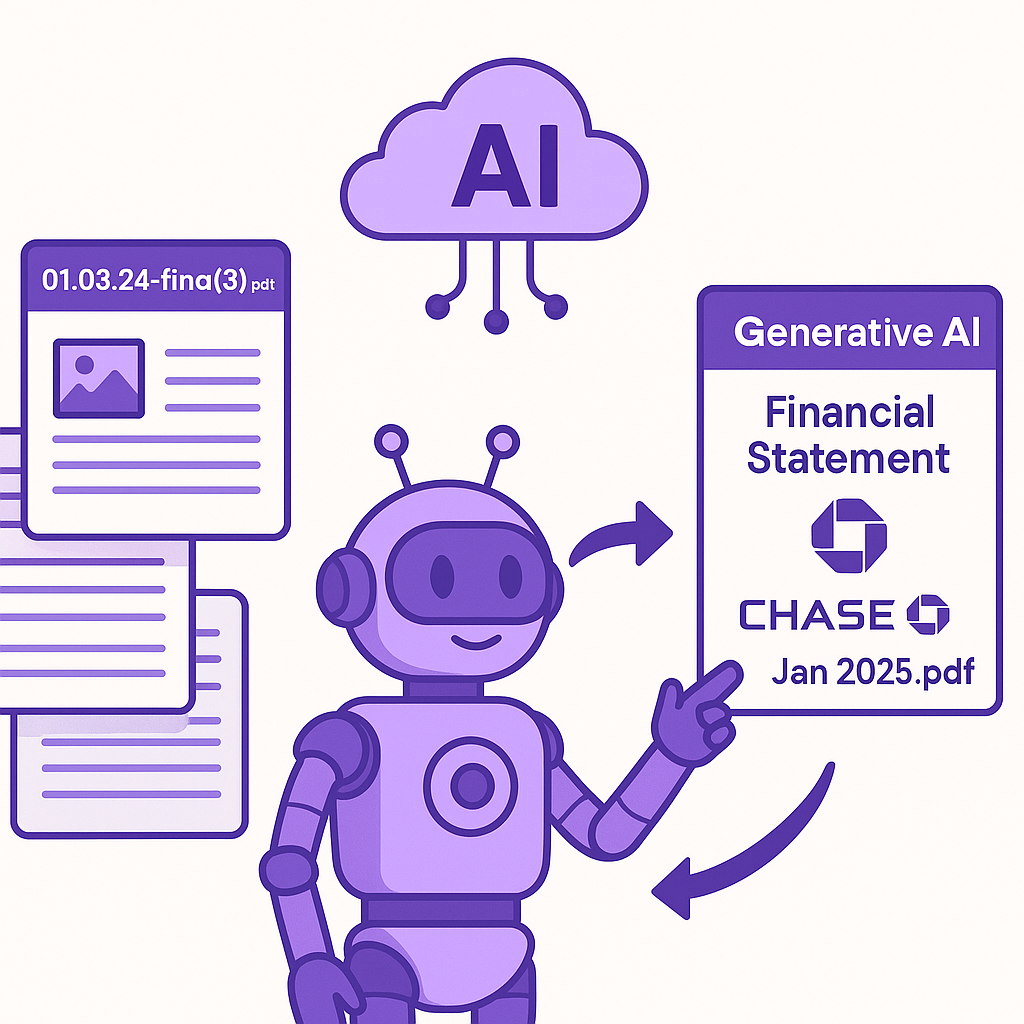
How Kaaj Classifies Loan Documents with Generative AI
See how Kaaj classifies loan documents, routes uncertain files for human review, and prepares structured inputs for existing lending workflows.
How AI Analyzes a Bank Statement (and Where Underwriters Still Matter)
AI bank statement analysis is classification, stacking, tamper signals, and ADB, not OCR. Here is what the models do, where they fail, and what the underwriter still owns.
Bank Statement Analysis for Lenders
How bank statement analysis improves lending decisions, the steps lenders run for cash flow, NSF, and MCA stacking, a worked equipment example, and when to automate.

Web Presence Strength: The New KYB Due-Diligence Super-Signal
Decoding Business Credibility: Why Web Presence Strength MattersIn a digital-first economy, a company’s online footprint tells lenders more than any single PDF ...

Real-Time KYB for Merchant Cash Advance: Fund Same‑Hour, Slash Risk
Introduction — Minutes = Missed BatchesThe U.S. merchant‑cash‑advance (MCA) market is on track to hit $19.

Faster KYB in Equipment Finance to Close More Deals
Introduction — When Hours = Lost DealsAlmost 80 % of U.S. equipment and software acquisitions—roughly $1.
KYB 101 for Lenders: How to Nail Secretary-of-State Checks (and Everything After) in 2025
Introduction (Why SOS Checks Still Matter)Know Your Business (KYB) is the first gate between your lending desk and fraud.